
-
Capability
-
DIP Plug-in Processing Capabilities
| ltem | Capability |
|---|---|
| Order Quantity | ≥1PC |
| Quality Grade | IPC-A-610 |
| Lead Time | 24 hours expedited service can be offered. 3- 4 days normally for PCBA prototype orders. We will give you an accurate lead time when we quote for you. |
| Size | 50*50mm~510*460mm |
| Board Type | Rigid PCB, Flexible PCB, metal core PCB |
| Min Package | 01005 (0.4mm*0.2mm) |
| Max Package | No limit |
| Mounting Accuracy | ±0.035mm(±0.025mm) Cpk≥1.0 (3σ) |
| Surface Finish | Lead/Lead-free HASL, Immersion gold, OPS, etc. |
| Assembly Types | Surface mount (SMT), Through-hole (DIP), Mixed Technology (SMT & Thru-hole) |
| Component Sourcing | Turnkey (All components sourced by Wenshu), Partial turnkey, Kitted/Consigned |
| BGA Package | BGA Dia. 0.14mm, BGA 0.2mm pitch |
| SMT Parts Presentation | Cut Tape, Partial reel, Reel, Tube, Tray, Laser-cut Stainless Steel |
| Cable Assembly | We supply custom cables, cable assemblies, wiring looms/harnesses and power leads for various industries including automotive, security, mining, medical and entertainment. |
| Stencil | Stencil with or without frame (offered free by Wenshu) |
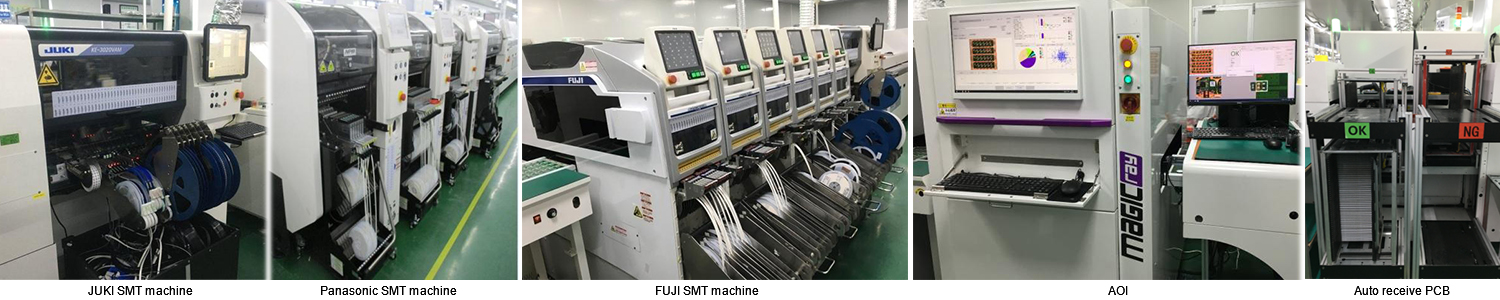
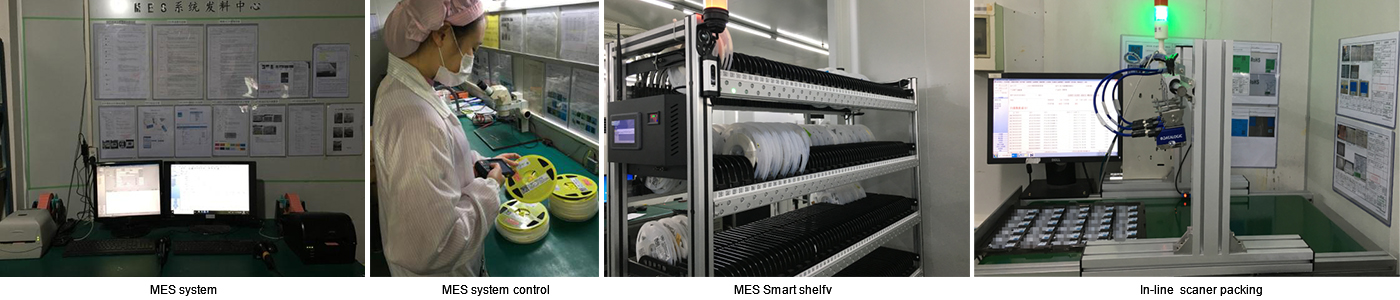
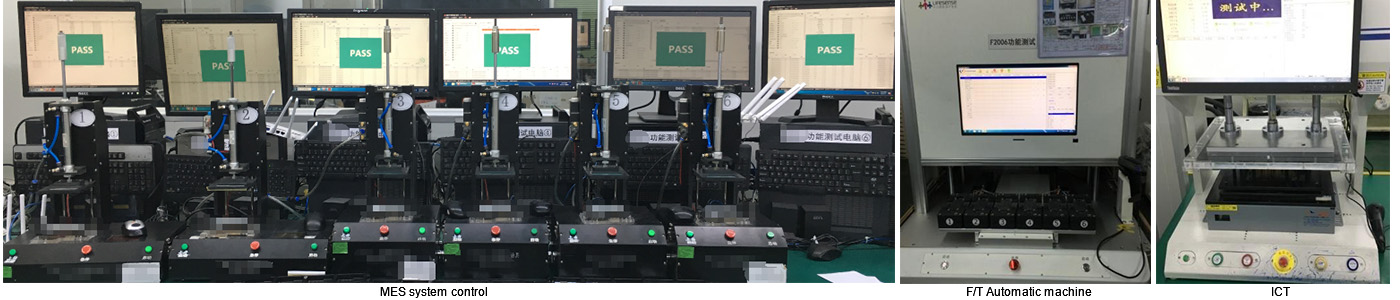
| Quality Inspection | Visual inspection; AOI checking; BGA placement – X-RAY checking |
| SMT Capacity | 3 Million~4 Million Soldering Pad/day |
| DIP Capacity | 100 Thousand Pins/day |
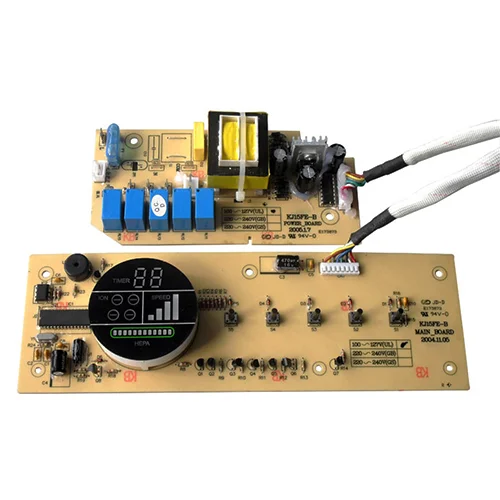
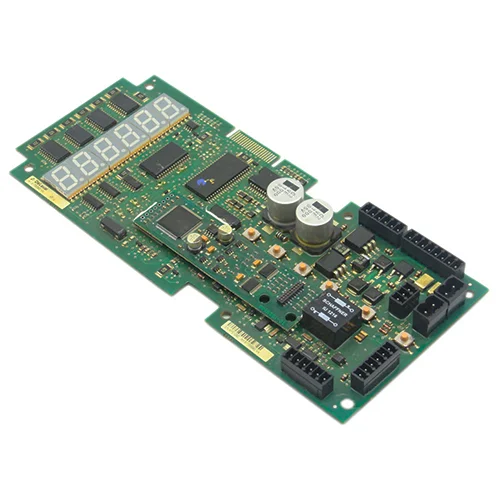
The DIP (Dual In-Line Package) plug-in processing solution is a versatile and efficient method for integrating electronic components onto printed circuit boards (PCBs). This plug-in processing technique allows for easy insertion and removal of components into DIP sockets on the PCB, offering a flexible and modular approach to electronic assembly.
The DIP plug-in processing solution involves the use of DIP packages, which consist of individual electronic components encapsulated in rectangular-shaped housings with two parallel rows of pins. These pins are designed to fit into corresponding sockets on the PCB, creating a reliable and secure electrical connection.
With DIP electronic components such as integrated circuits (ICs), resistors, capacitors, and other discrete devices can be conveniently mounted onto the PCB without the need for complex soldering processes. Instead, the components are inserted into the DIP sockets, allowing for easy replacement or reconfiguration as needed.
Advantages of DIP Plug-in Processing:
- Versatility and Modularity: DIP processing provides a high level of versatility and modularity in electronic assembly. Components can be easily plugged in or removed from DIP sockets, facilitating rapid prototyping, testing, and system modifications. This flexibility also allows for efficient design iterations and simplifies maintenance and repairs.
- Time and Cost Efficiency: The plug-in nature of DIP processing significantly reduces the time and cost associated with assembly and rework. The absence of soldering eliminates the need for specialized soldering equipment, reducing setup and labor costs. Additionally, the ability to quickly replace faulty components improves repair turnaround time and minimizes downtime.
- Accessibility for Testing and Debugging: DIP processing provides easy access to components for testing and debugging purposes. During the development phase, engineers can quickly insert or remove components to assess their functionality and troubleshoot any issues. This accessibility aids in the efficient identification and resolution of problems, reducing development cycles.
- Component Compatibility and Interchangeability: DIP packages offer broad compatibility with various electronic components. The standardized pin configurations and socket layouts ensure compatibility across a wide range of ICs and discrete devices. This interchangeability simplifies component sourcing, inventory management, and system upgrades.
- High Connection Reliability: DIP sockets provide reliable electrical connections between components and PCBs. The pins and sockets are designed to create secure contacts, ensuring consistent and robust signal transmission. This reliability is crucial for maintaining signal integrity and also minimizing the risk of loose connections or intermittent faults.
Frequently Asked Questions
1. What is the difference between OEM PCB and standard PCB?
2. What does the design process for Wenshu PCB involve?
3. How can product reliability and quality be ensured in Wenshu PCB design?
4. How can confidentiality be maintained in the manufacturing process of Wenshu PCBs?
Why Choose Us

Responsive Service
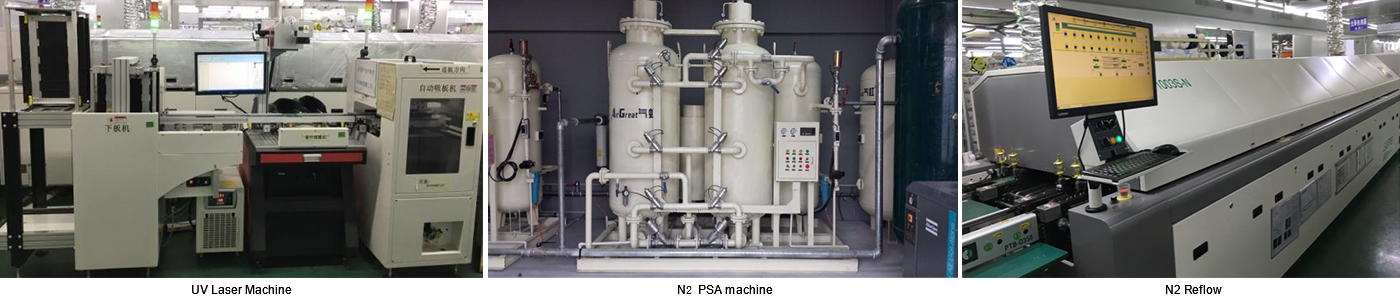
Using state-of-the-art automated SMT and through-hole lead free wave soldering, we're committed to responsive service from first contact to delivery..

Rich Experience
With 18 years of experience in providing box build services, we have all the expertise needed to ensure our products are manufactured to the highest standards.

Turnkey Box Build Assembly
With NEWHONEST box build services, you will receive complete support for the entire mechanical assembly process, ranging from component sourcing, design, manufacturing, testing, and repair.

High-Quality Guaranteed
Our certifications guarantee the quality of our products and services, we are ISO 9001, ISO13485, IPC-A-610, RoHS & Lead-Free process certified, registered, and REACH compliant.
